
Rethinking the mold.
Accelerating production.
A new tooling architecture for large thermoset components—combining additively manufactured composite cavities with reusable metal structure.
Tooling should not define the pace of innovation.
Large steel molds are proven—but capital intensive, slow to manufacture and difficult to adapt. For medium-volume programs, the tooling equation can stop viable products before production begins.
Full-metal mold
Geometry and structural support are machined into one costly, heavy asset. Every design change can restart the tooling cycle.
Function separated from structure.
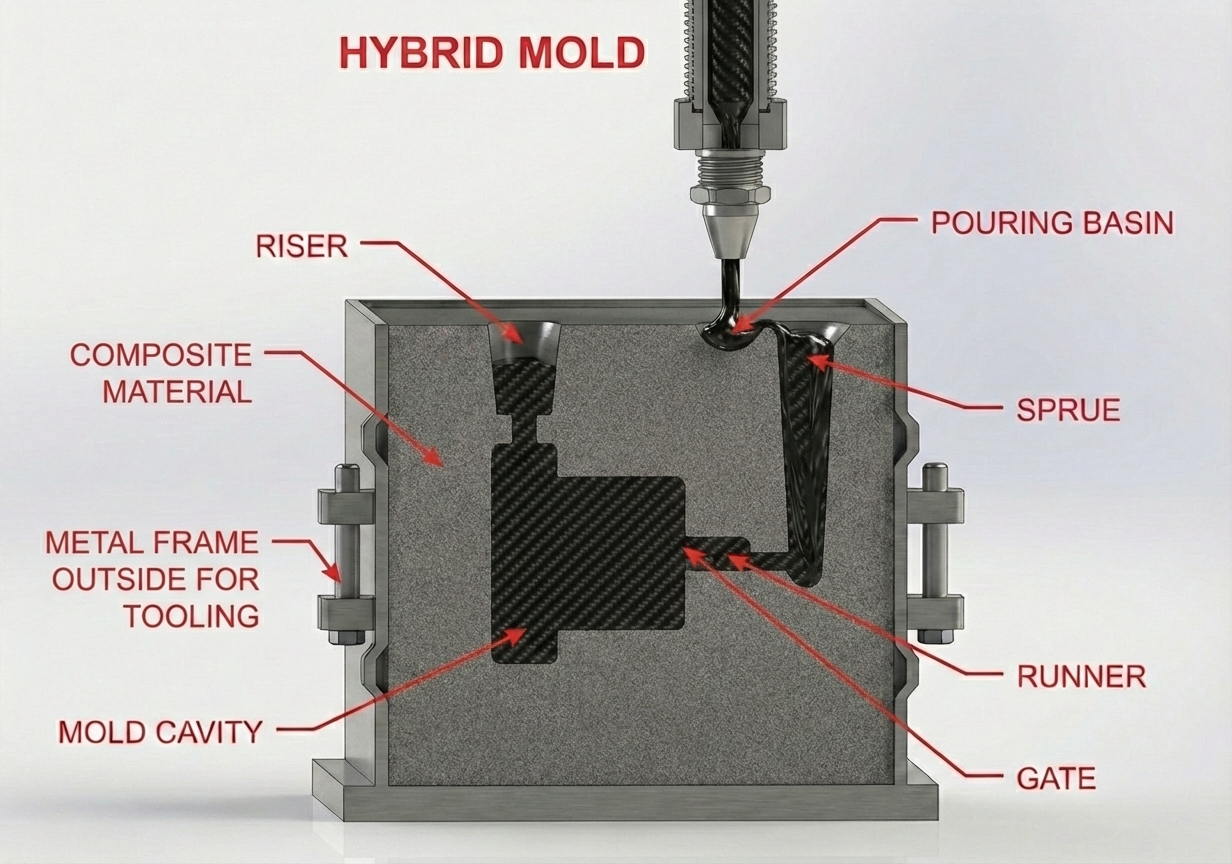
A replaceable composite cavity defines the part. A rigid external frame manages loads. Each element does only what it needs to do.
Composite where geometry matters. Metal where strength matters.
The RPS system redistributes material, cost and manufacturing effort around the actual functional requirements of the mold.
Designed to work with the production systems you already have.
No RIM machine modification. No new production logic. The innovation is concentrated in the tool.
The geometry-specific composite cavity is additively manufactured and finished to process requirements.
Integrate
The cavity is located inside the reusable, load-bearing metal frame.
Mold
Thermoset material is injected using the existing RIM machine and established process controls.
Release
Controlled air pressure supports clean, repeatable demolding of the cured component.
Built for large parts. Optimized for industrial agility.
RPS targets components where conventional tooling cost, lead time or weight prevents a compelling medium-volume business case.
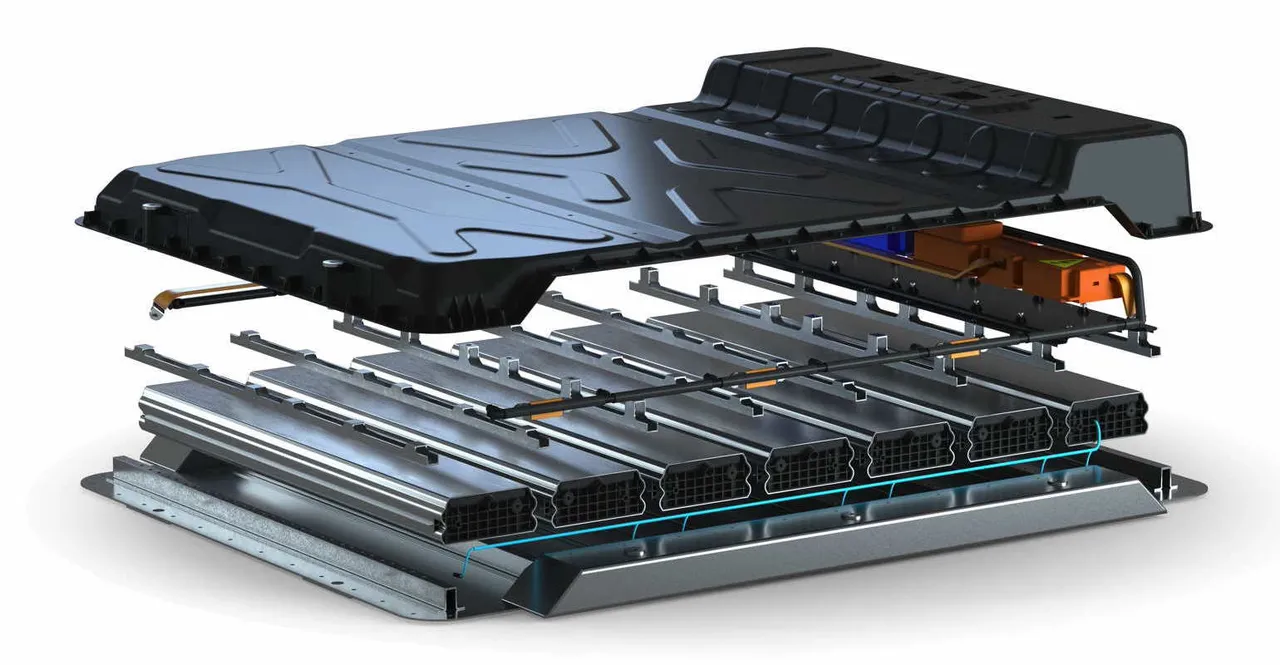 EV platforms
Battery enclosures
Large, lightweight housings with evolving platform geometries.
From functional prototype to industrial collaboration.
Core molding and release principles have been proven through multiple successful production cycles. The next phase scales the architecture with industrial partners.
Architecture and process model
Functional hybrid mold system
Repeated component production
Partner-led scaling and qualification
Application-specific deployment
Seeking partners who build what comes next.
We are opening selected validation programs with RIM manufacturers, automotive suppliers, material partners and applied research organizations.